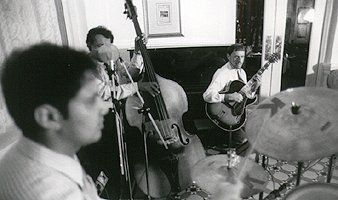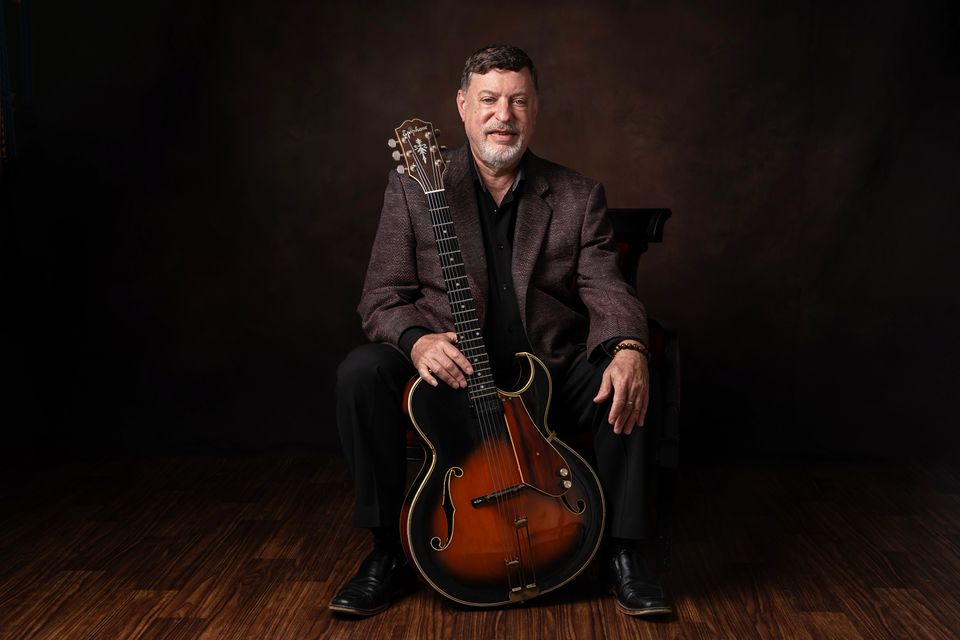
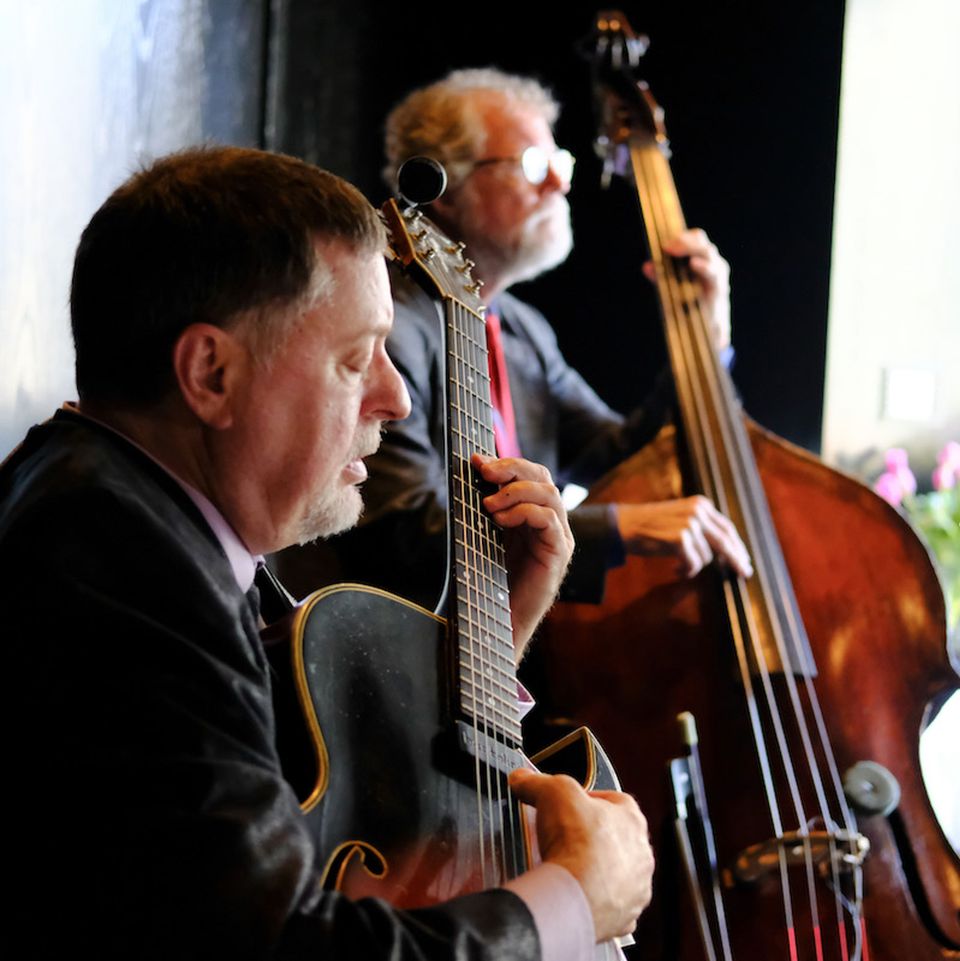
Live music has long been part of the restaurant experience. From piano lounges and jazz trios to solo guitarists and small ensembles, music has the ability to transform a dining room from simply a place to eat into a place people remember.
But playing in a restaurant is very different from playing a concert.
Over the years I’ve come to realize that many musicians — even very good ones — misunderstand that difference.
A restaurant musician is not simply performing music. In many ways, he or she is helping shape the atmosphere of the entire room.
And that requires a very particular set of skills.
The Art of Reading the Room
In a concert setting, the audience is there primarily to listen. The focus is on the stage, and the musicians are the center of attention.
In a restaurant, the focus is somewhere else entirely.
People are there to dine, to converse, to celebrate occasions, to meet friends or colleagues. Music becomes one element of a much larger experience that includes cuisine, service, lighting, décor, and social interaction.
The musician’s job is therefore not to dominate the space, but to enhance it.
That means constantly reading the room.
Is the dining room filling up or winding down?
Is conversation lively or intimate?
Are guests listening closely, or is the music meant to remain gently in the background?
Adjusting volume, tempo, repertoire, and dynamics throughout the evening becomes part of the craft.
When done well, the music becomes something guests feel rather than consciously analyze.
Lessons From the Hospitality World
Much of my perspective on this developed during years performing and directing entertainment programs in hotels and venues across Asia, including Singapore, Hong Kong, Shanghai, and Tokyo.
In those environments, the relationship between music and hospitality is taken very seriously. Luxury hotels understand that music can influence the mood of a space more than lighting or architecture.
During those years I worked not only as a performer but also as an entertainment organizer and consultant for several major hospitality organizations.
In Singapore I performed for six years at the historic Bar and Billiard Room of Raffles Hotel, while also helping develop entertainment programming for several of the property’s venues.
But playing in a restaurant is very different from playing a concert.
Over the years I’ve come to realize that many musicians — even very good ones — misunderstand that difference.
A restaurant musician is not simply performing music. In many ways, he or she is helping shape the atmosphere of the entire room.
And that requires a very particular set of skills.
The Art of Reading the Room
In a concert setting, the audience is there primarily to listen. The focus is on the stage, and the musicians are the center of attention.
In a restaurant, the focus is somewhere else entirely.
People are there to dine, to converse, to celebrate occasions, to meet friends or colleagues. Music becomes one element of a much larger experience that includes cuisine, service, lighting, décor, and social interaction.
The musician’s job is therefore not to dominate the space, but to enhance it.
That means constantly reading the room.
Is the dining room filling up or winding down?
Is conversation lively or intimate?
Are guests listening closely, or is the music meant to remain gently in the background?
Adjusting volume, tempo, repertoire, and dynamics throughout the evening becomes part of the craft.
When done well, the music becomes something guests feel rather than consciously analyze.
Lessons From the Hospitality World
Much of my perspective on this developed during years performing and directing entertainment programs in hotels and venues across Asia, including Singapore, Hong Kong, Shanghai, and Tokyo.
In those environments, the relationship between music and hospitality is taken very seriously. Luxury hotels understand that music can influence the mood of a space more than lighting or architecture.
During those years I worked not only as a performer but also as an entertainment organizer and consultant for several major hospitality organizations.
In Singapore I performed for six years at the historic Bar and Billiard Room of Raffles Hotel, while also helping develop entertainment programming for several of the property’s venues.